
Gateways to the Divine
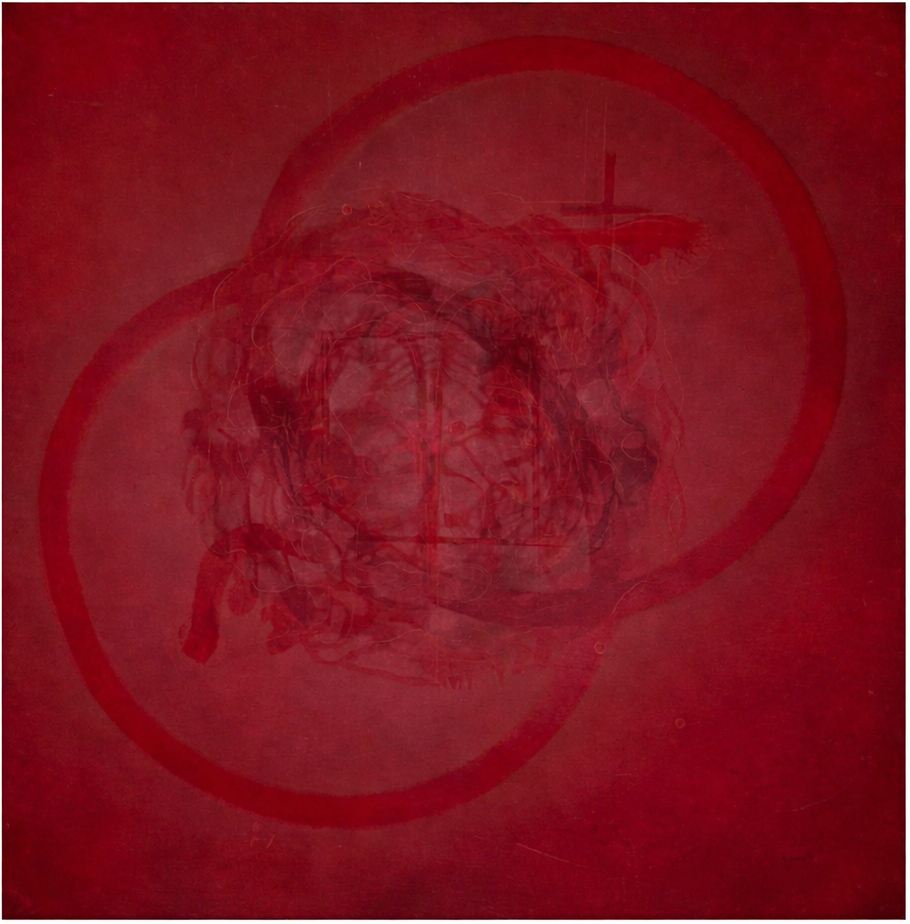
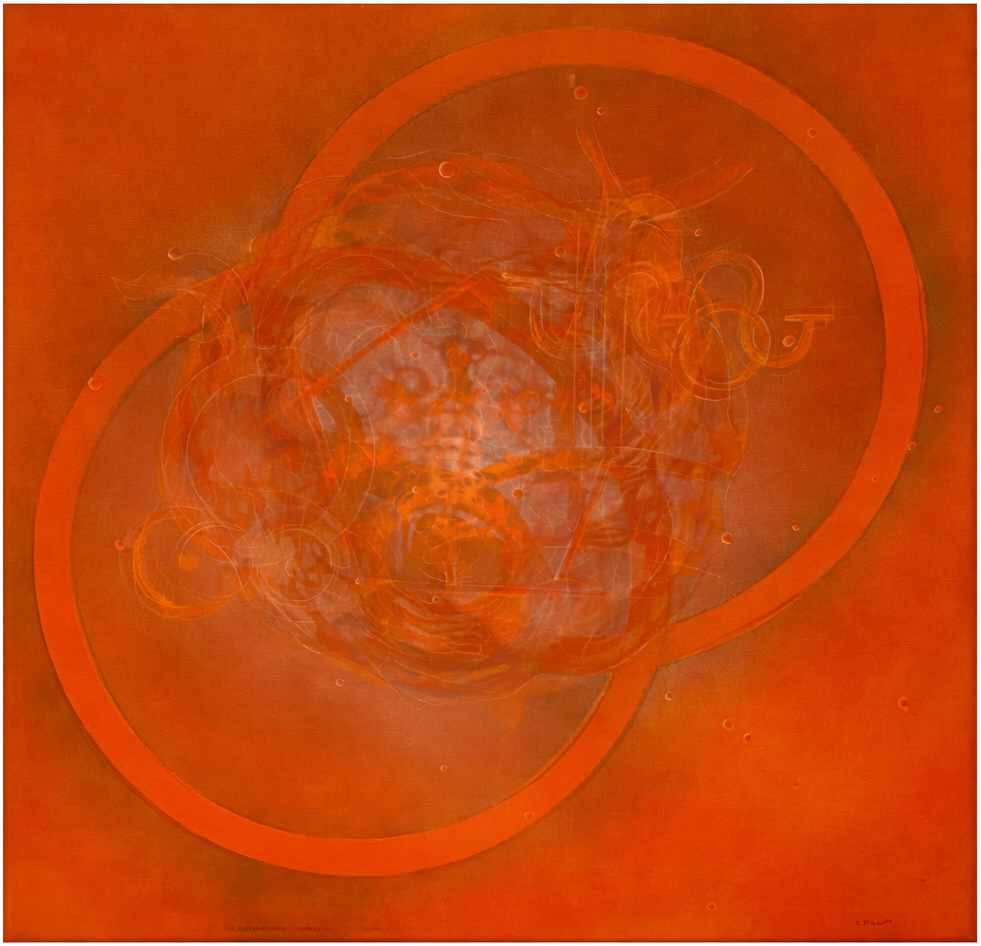
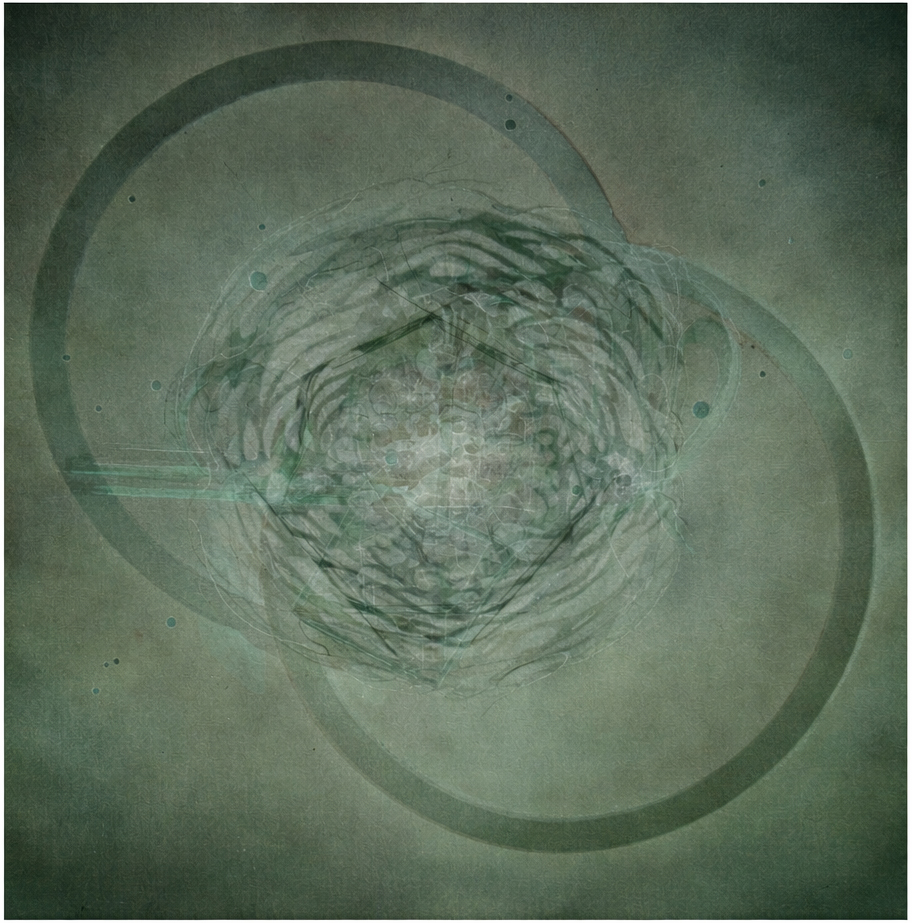
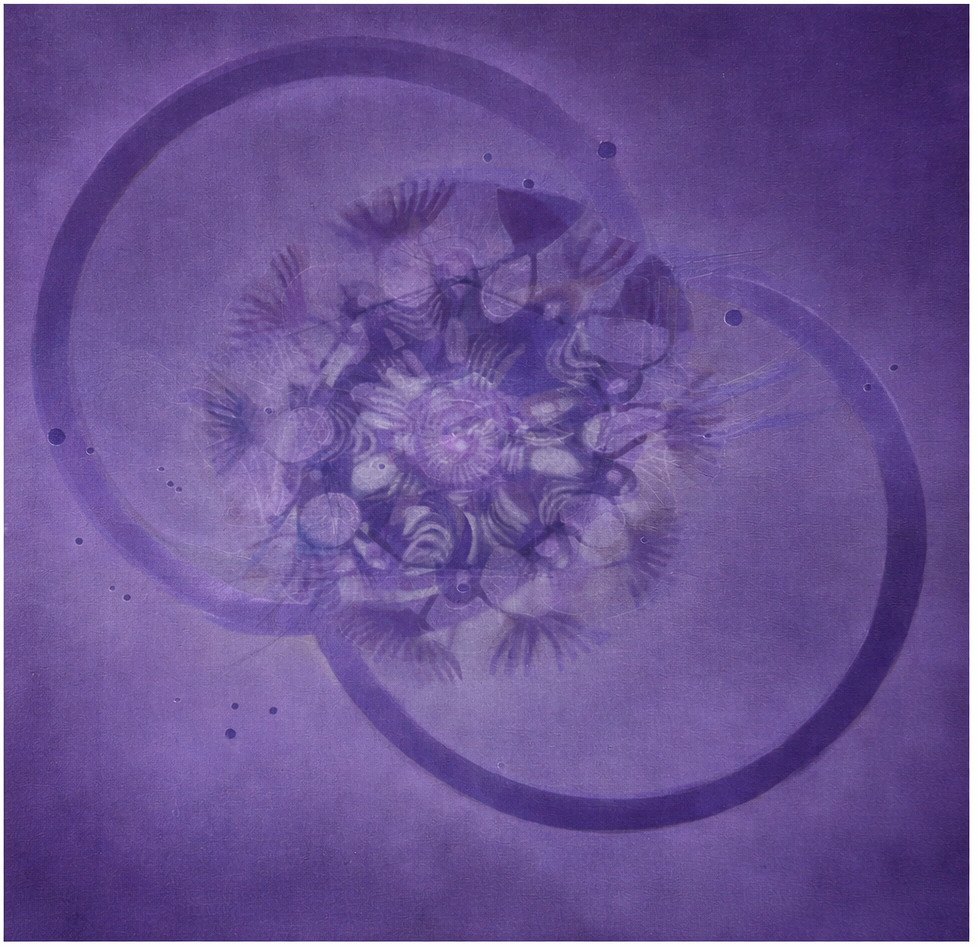
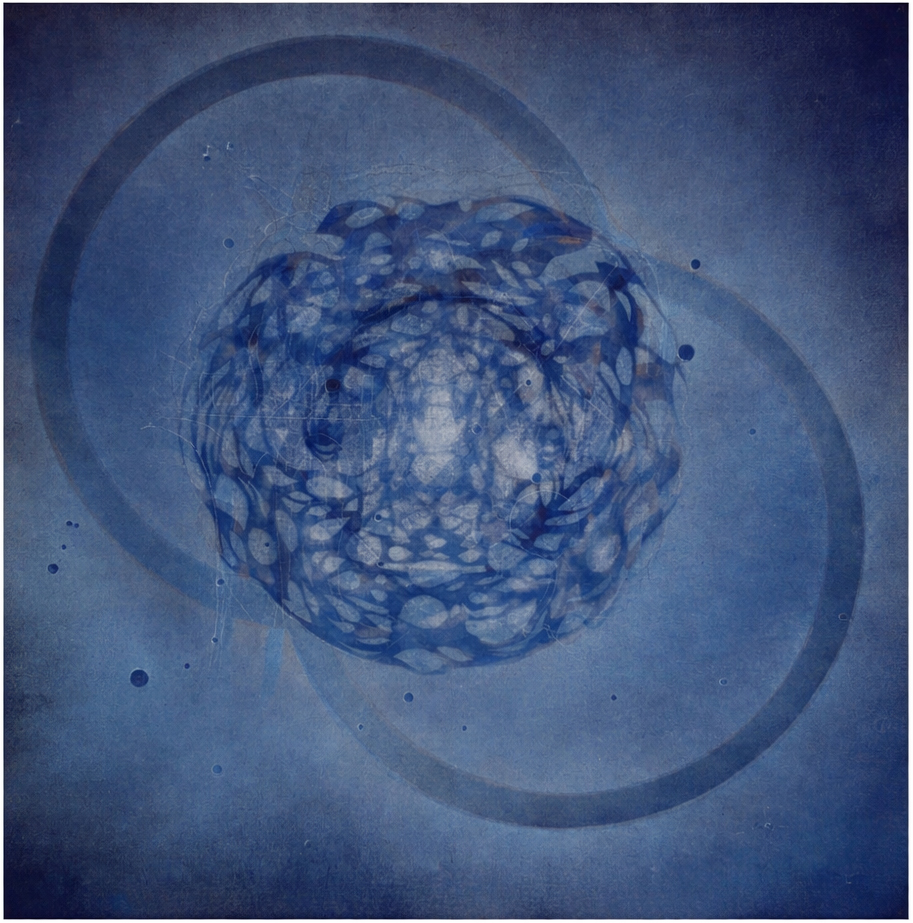
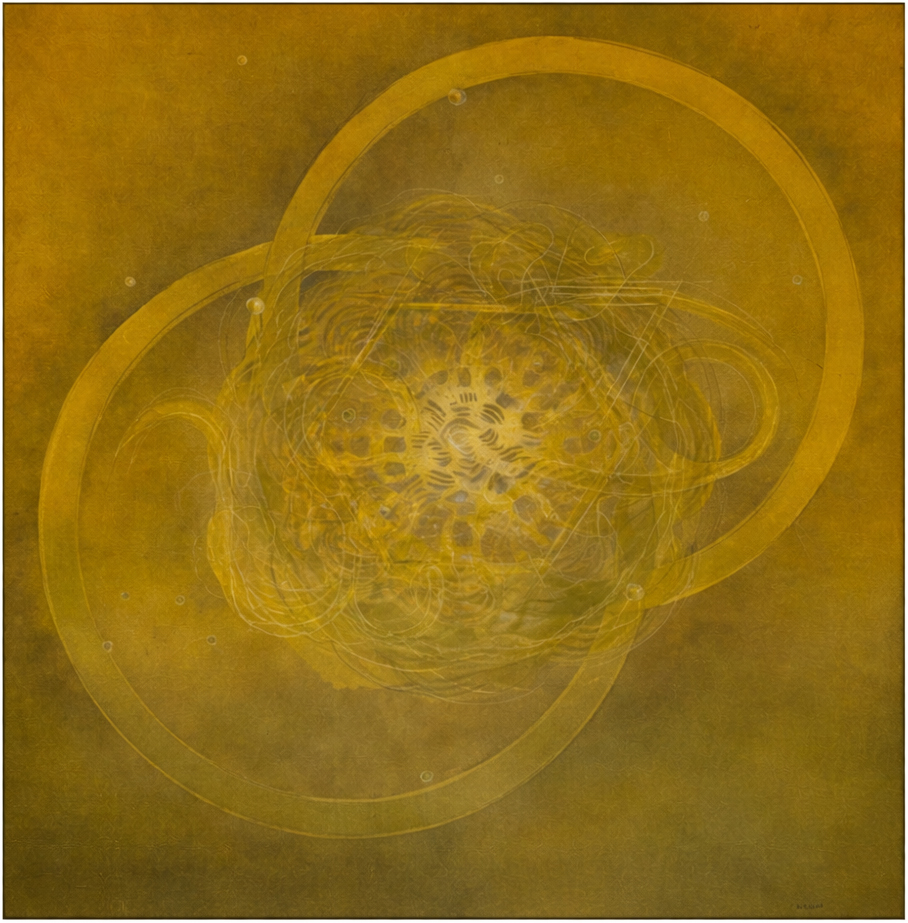
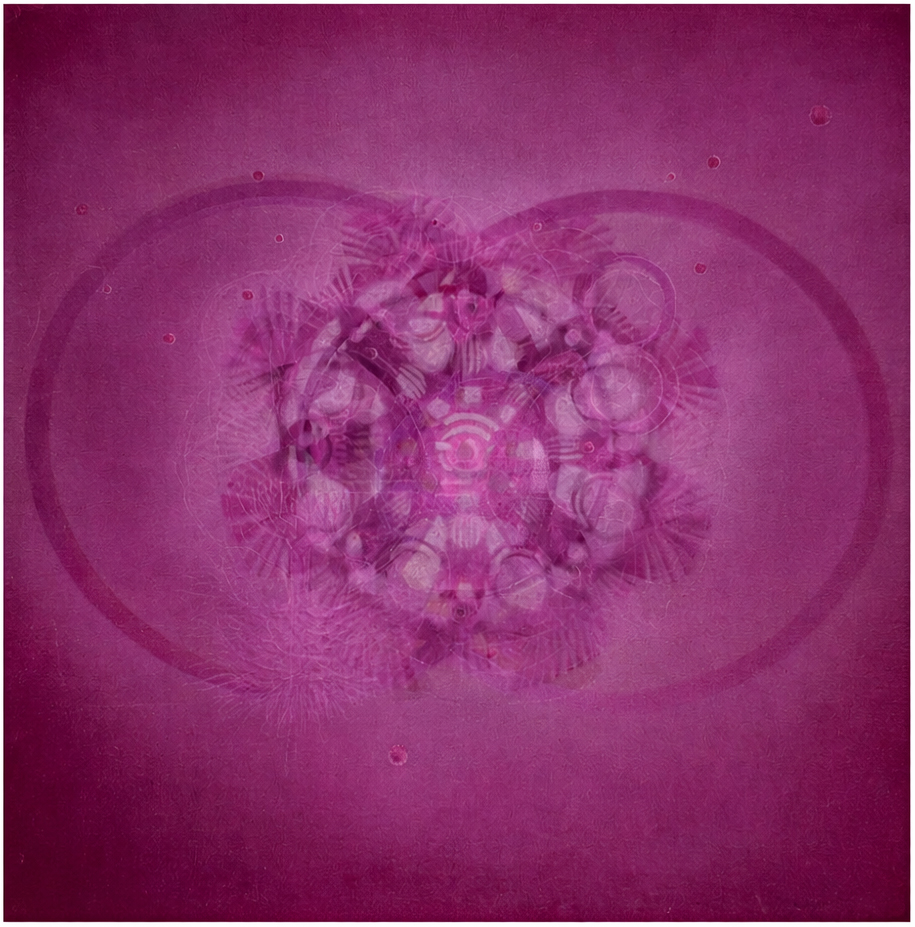
Ray Pierotti’s Gateways to the Divine explores the deep spiritual connections between humans, nature, and the unseen forces that shape existence. Drawing heavily from Indigenous perspectives—especially those rooted in North American traditions—Pierotti presents a worldview where the boundary between the physical and spiritual realms is not rigid, but fluid and constantly interacting.
At the core of the work is the idea that the “divine” is not distant or abstract. Instead, it is embedded in the natural world: in animals, landscapes, weather, and everyday experiences. These elements act as “gateways,” or access points, through which humans can perceive and engage with spiritual reality. Rather than requiring formal institutions or rigid doctrines, Pierotti emphasizes lived experience, respect for nature, and attentiveness as the primary ways of encountering the sacred.
Ultimately, Gateways to the Divine is both philosophical and practical. It invites readers to reconsider how they perceive the world and to cultivate awareness of the sacred in everyday life. The message isn’t about adopting a new belief system, but about relearning how to listen—to nature, to experience, and to the subtle signals that connect the human and the divine.
Sounded Intervals Suite
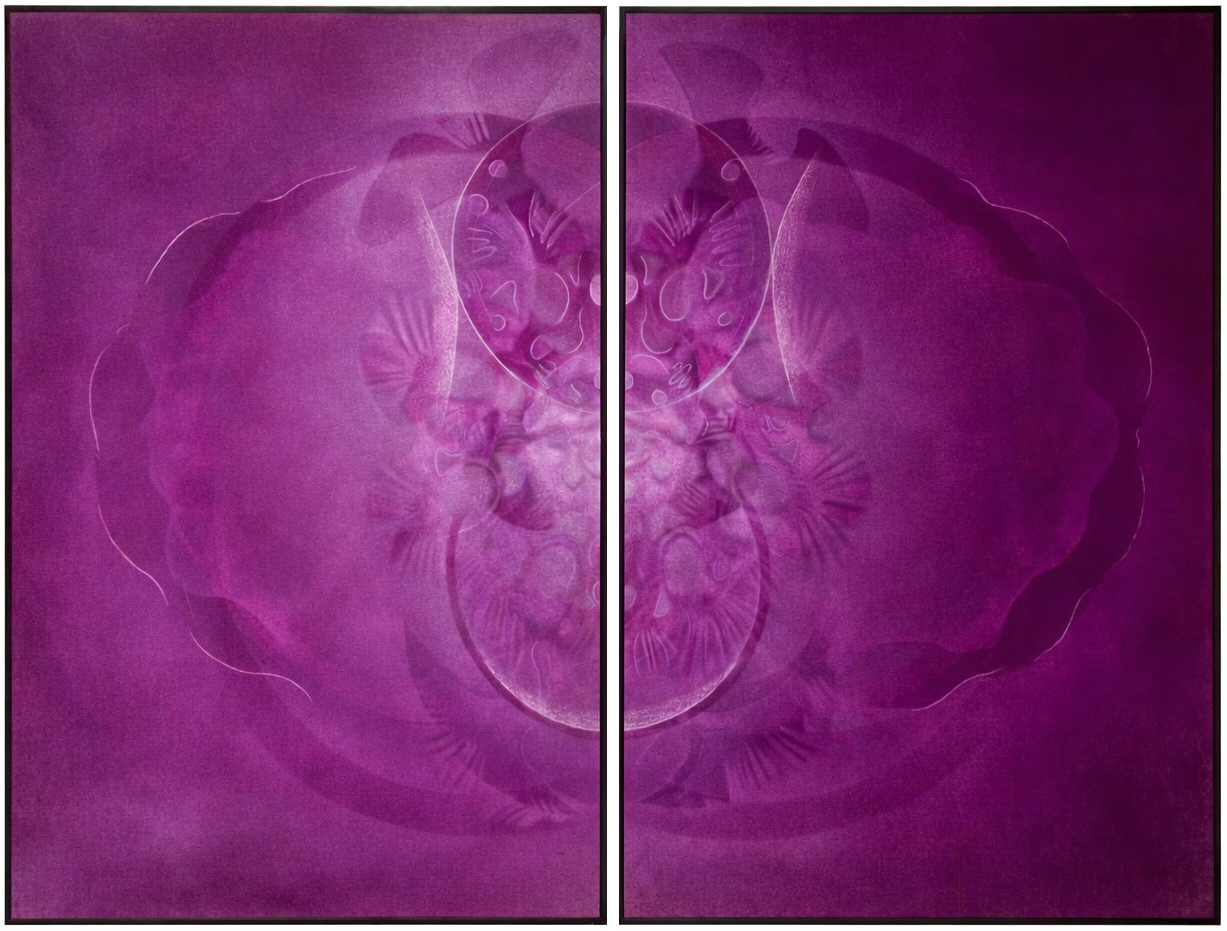
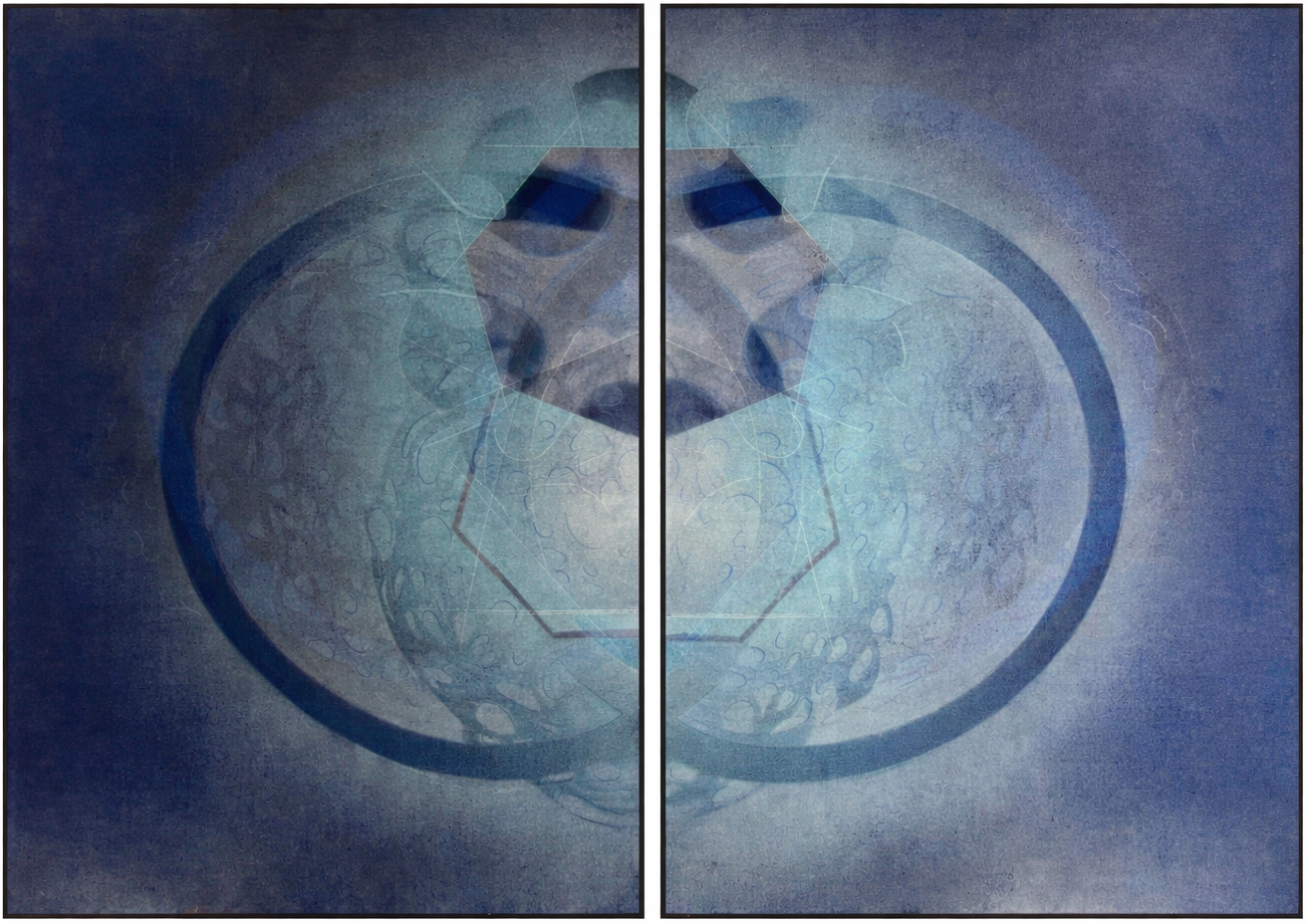
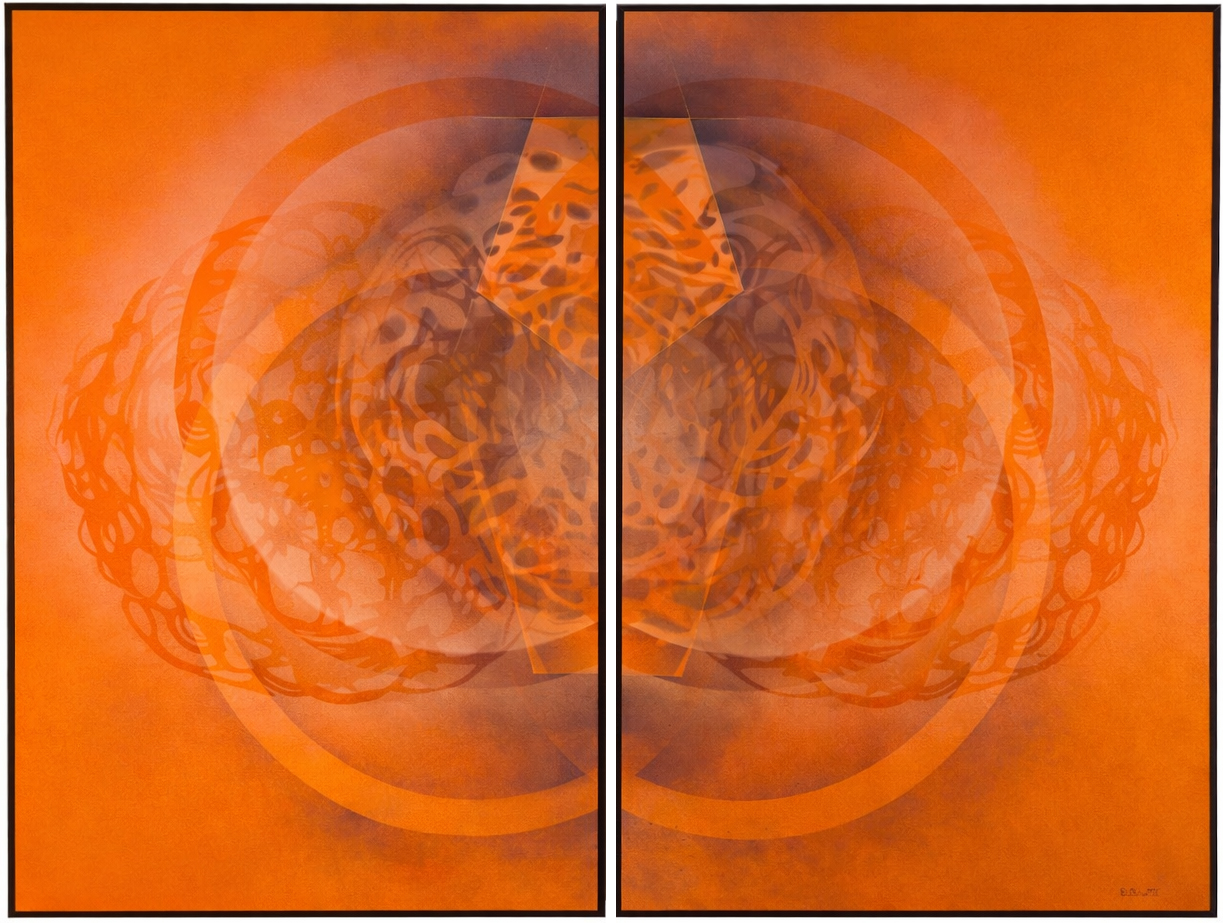
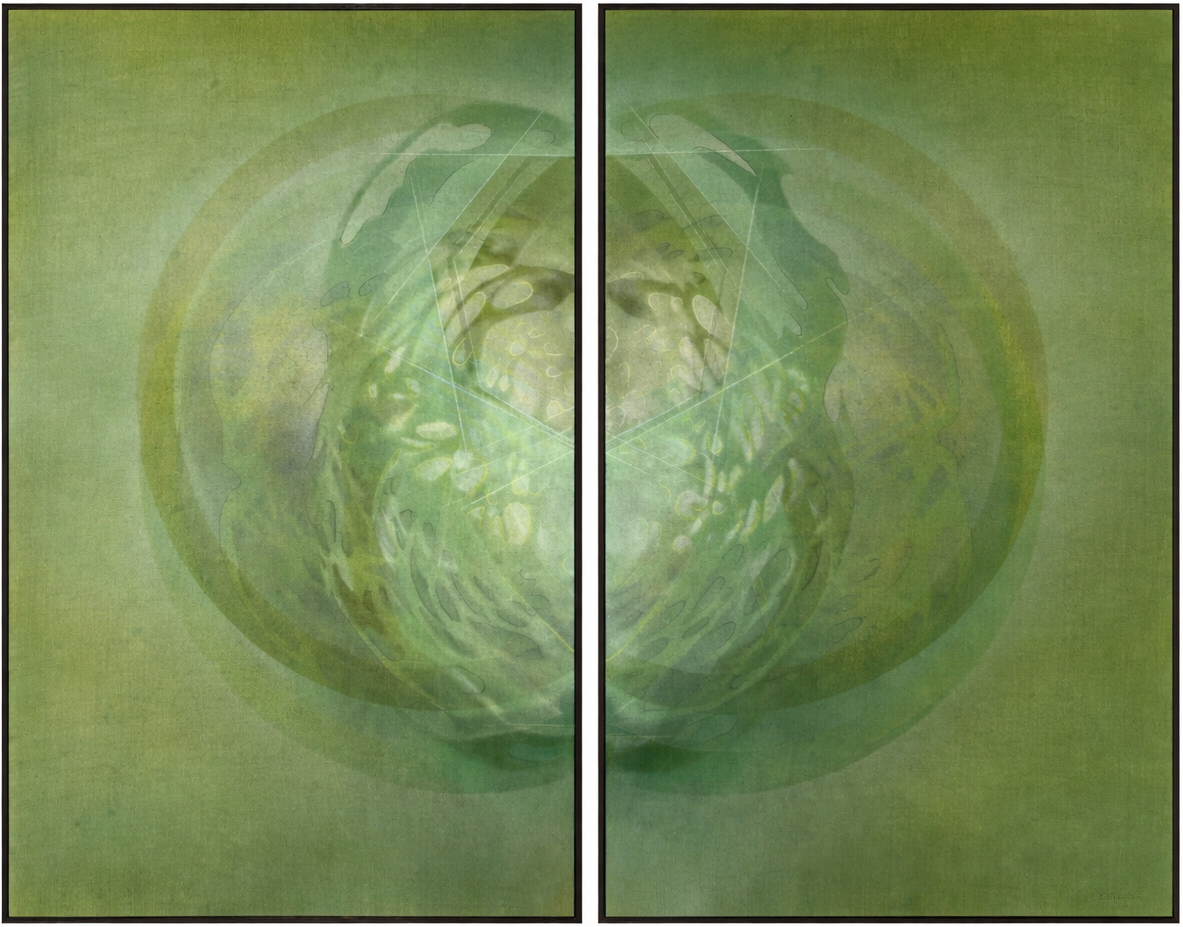
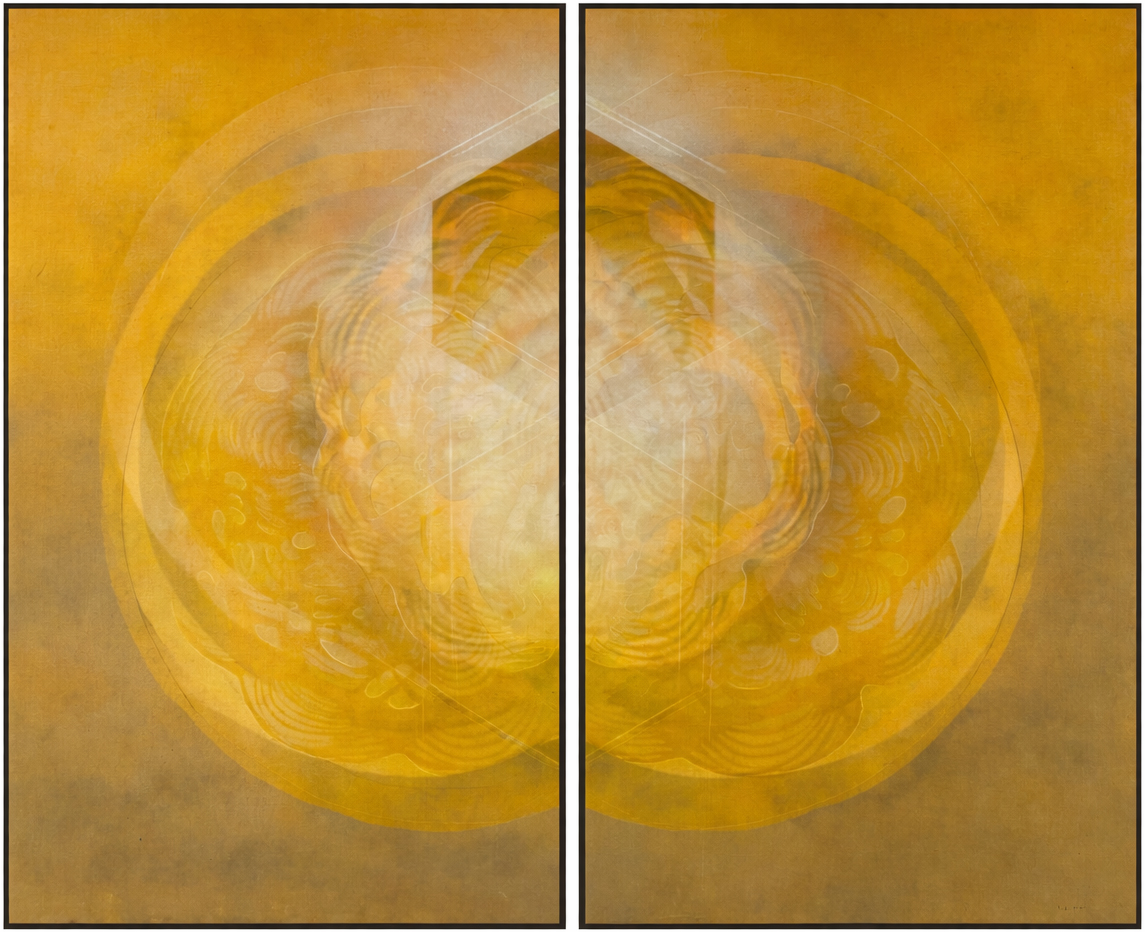
Ray Pierotti’s Sounded Intervals Suite is a work that blends music, philosophy, and Indigenous ways of knowing into a unified exploration of sound as a bridge between worlds. Rather than treating music as mere entertainment or structured composition, Pierotti approaches sound as something alive—an active force that connects humans to the environment, to each other, and to deeper spiritual dimensions.
At the heart of the suite is the concept of “intervals.” In a conventional musical sense, intervals are the spaces between notes. Pierotti expands this idea into something much broader: intervals become moments of relationship—between sounds, between beings, and between the physical and spiritual realms. These spaces are not empty; they are full of meaning, tension, and possibility. By focusing on intervals, Pierotti draws attention to what is often overlooked—the connections rather than just the individual elements.